

Whether you are building new home or upgrading the space. Your floor has an impact on how a space feels and appears, setting the tone for your house. Its worth taking the time to find a floor that fits both your style and your needs.
Each room has its unique requirements, both in terms of appearance and utility. Flooring plays a major role in the overall appearance, comfort and durability of a home. The right flooring can enhance interior design, improve functionality, and increase property value. Today, homeowners have a wide range of flooring options available, each offering unique benefits in terms of style, durability, and maintenance.
If you are thinking to renovate your home then you need to understand the different types of flooring that can help you to make the right decision for every corner of your home. In this blog we will guide you about the different kinds of flooring.
Types of flooring material available for you home
There is a wide variety of flooring options to consider while designing your home. Depending on the size and budget of your project. Here is the list of flooring material available for your home.
Hardwood flooring
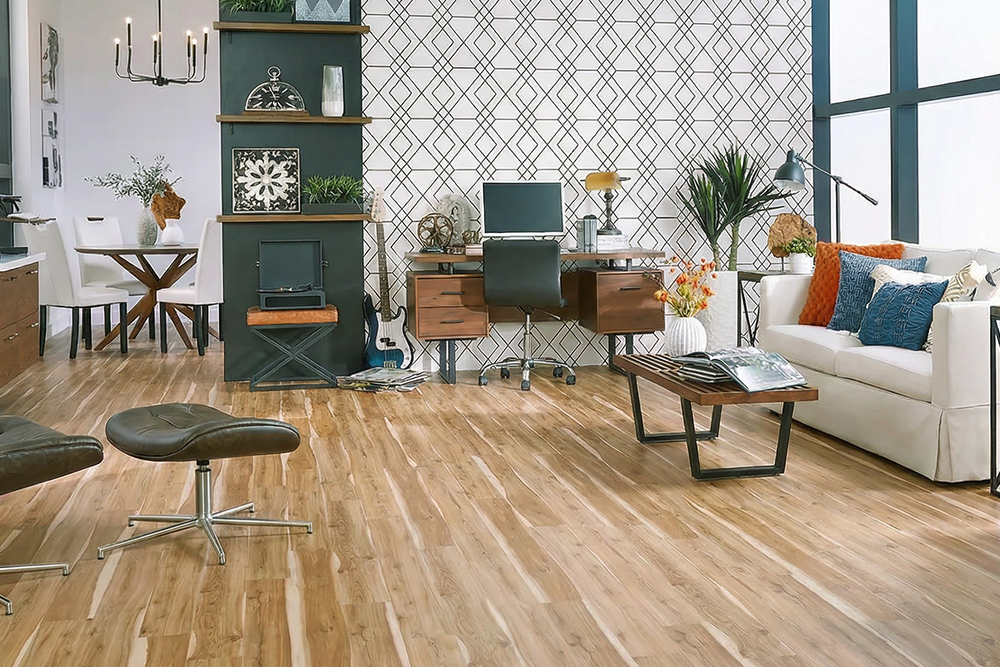
Pros
- Come in a range of hues and textures.
- Sturdy
- Durable
- Able to tolerate a lot of foot traffic
- Can raise your home’s selling value
- Simple to maintain
- Free of allergens
- Refinishable
Cons
Not every household is a good fit for hardwood floors. The following are a few disadvantages of hardwood flooring:
- More costly than vinyl or laminate
- Water damage is a possibility.
- May be damaged or scuffed.
- Noisy
Although hardwood floors can be refinished, the process is expensive, time-consuming, and frequently requires homeowners to be away for a while.
Laminate flooring
Pros
- Versatile designs
- Easily installed
- Affordable
- Resistant to scratches, stains,and fading
- Hypoallergenic
- Low maintenance
Cons
- Cannot be fixed or refinished
- Water damage is a possibility.
- Natural materials are more appealing.
- Differs from natural materials in both sound and feel.
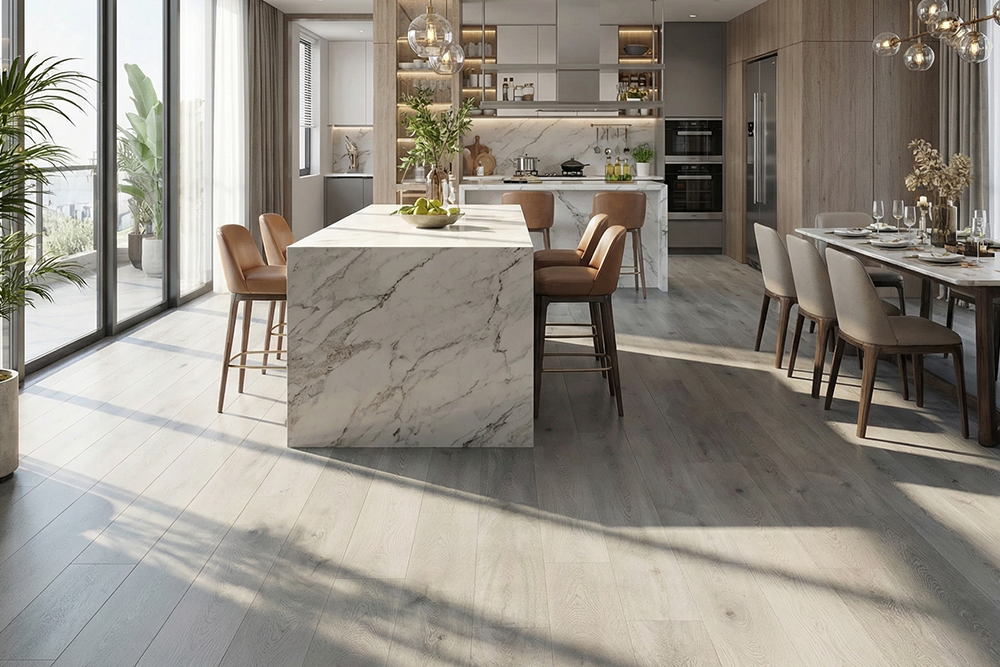
Tile flooring
Homeowners may design unique flooring patterns to suit any space because to the variety of forms, styles, colors, and textures available. Porcelain and ceramic tiles are common choices for flooring.
Compared to ceramic tiles, porcelain tiles are denser and less porous because they are fired at higher temperatures using a more refined clay combination.
In order to install tile flooring, the subfloor must be prepared, mortar or adhesive must be applied, tiles must be laid, seams must be grouted, and caulking and sealing must be applied.
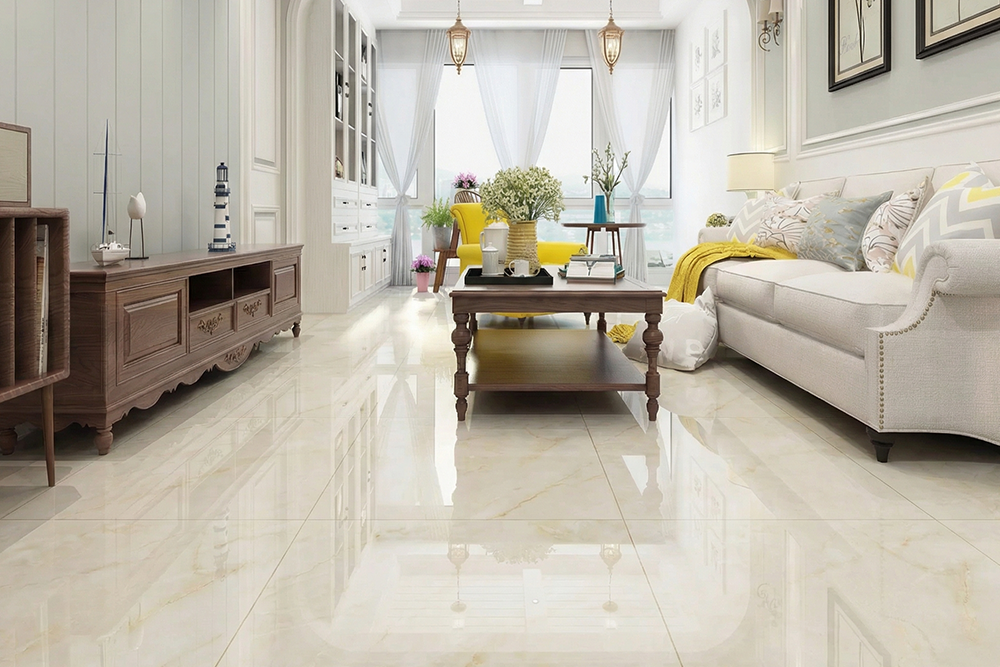
Pros
- Durable
- Water-resistant
- Easy maintenance
- Variety of styles
- Hypoallergenic
- Long-lasting
Cons
Tile flooring has certain disadvantages.
- Uncomfortable when standing or walking for long periods of time
- Chilly
- Installing requires expertise.
- Crack-prone
- Requires upkeep of the grout
- Expensive
- When wet, slick
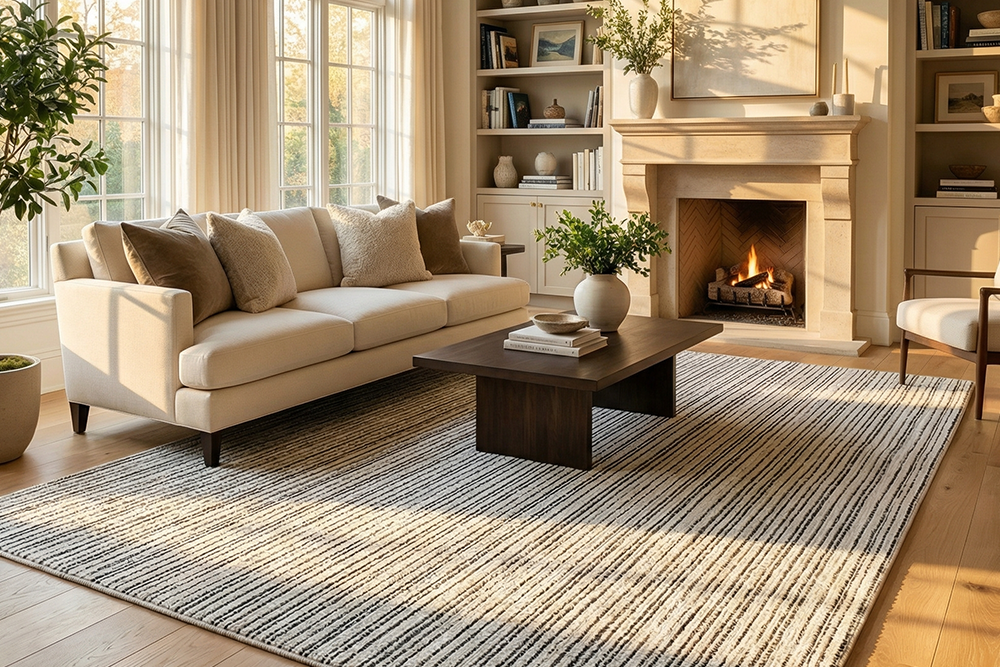
Stone flooring
Marble, granite, slate, travertine, limestone, sandstone, flagstone, and quartzite are examples of stone flooring.
In order to install stone flooring, the subfloor must be prepared, mortar or adhesive must be used, stones must be laid, joints must be grouted, and sealing and polishing must be completed.
Pros
- Sturdy
- Distinctive beauty
- Variety
- Longevity
- Minimal upkeep
- Possess a cooling effect by nature.
Cons
- Costly to buy and install
- If not adequately sealed,porous
- Uncomfortable when standing or walking for long periods of time
- When wet, slick has to be maintained occasionally
- Prone to chipping, cracking, or scratching
Final Thoughts
Flooring plays a vital role in creating a comfortable and visually appealing home. From hardwood and laminate to vinyl, tile, and natural stone, each flooring type offers its own advantages and design possibilities.
Understanding the characteristics of different flooring options can help homeowners make informed decisions that suit their lifestyle and budget. With the right choice, flooring can enhance the beauty of a home while providing durability and long-term value.