
Gut health has become one of the most talked-about topics in modern wellness, and for good reason. Your gut does much more than digest food—it plays a key role in immunity, nutrient absorption, mental health, and overall well-being. For beginners, understanding gut health might seem overwhelming, but learning a few simple principles can make a big difference in how you feel every day.
The digestive system contains trillions of microorganisms, collectively known as the gut microbiome. These bacteria help break down food, produce important nutrients, and support the immune system. When this balance is disrupted, it can lead to digestive discomfort, fatigue, inflammation, and other health issues.
This beginner-friendly guide explains what gut health means, why it matters, and practical ways you can start improving your digestive system through diet and lifestyle habits.
What Is Gut Health?
Gut health refers to the balance and function of microorganisms living in the digestive tract. Your gut microbiome contains both beneficial and harmful bacteria. When beneficial bacteria dominate, digestion works smoothly and the body functions efficiently.
However, factors such as unhealthy diets, excessive processed foods, stress, poor sleep, and certain medications can disrupt this balance. When harmful bacteria begin to outnumber the good ones, it can affect digestion and overall health.
A healthy gut supports many essential functions in the body, including:
- Proper digestion of food
- Efficient absorption of nutrients
- Strong immune system function
- Reduced inflammation
- Balanced metabolism
- Better mood and mental health
Because the gut is connected to many systems in the body, maintaining its health should be a priority for anyone looking to improve their overall wellness.
Why Gut Health Matters for Your Overall Health
A healthy gut can help:
Strengthen Immunity
About 70% of the immune system is located in the gut. Balanced gut bacteria help the body recognize harmful pathogens and defend against infections.
Support Mental Health
Research shows that gut bacteria can influence mood, anxiety, and cognitive function. This is why digestive issues are sometimes linked with stress or mood changes.
Improve Nutrient Absorption
Even if you eat healthy foods, poor gut health can prevent your body from absorbing vitamins and minerals effectively.
Reduce Inflammation
Chronic inflammation is associated with many health conditions. A balanced gut microbiome helps regulate the body’s inflammatory response.
For beginners, focusing on gut health is one of the most effective ways to improve overall well-being.

Signs Your Gut Health May Be Unbalanced
Common signs of an unhealthy gut include:
- Frequent bloating or gas
- Constipation or irregular bowel movements
- Food sensitivities
- Persistent fatigue
- Skin issues such as acne or eczema
- Frequent colds or infections
- Difficulty concentrating
Gut Health Diet for Beginners
Foods That Support Gut Health
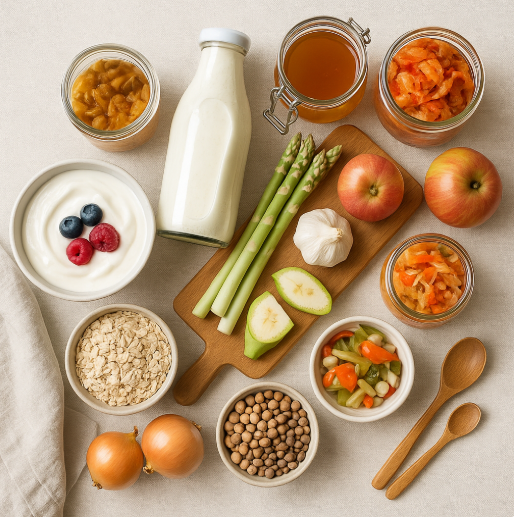
Beginners should focus on incorporating the following foods into their daily meals:
High-Fiber Foods
Fiber feeds beneficial bacteria and promotes healthy digestion. Good sources include:
- Fruits such as apples, berries, and bananas
- Vegetables like broccoli, spinach, and carrots
- Whole grains such as oats and brown rice
- Beans and lentils
Fermented Foods
Fermented foods naturally contain beneficial bacteria that help improve the gut microbiome.
Examples include:
- Yogurt with live cultures
- Kefir
- Sauerkraut
- Kimchi
- Fermented vegetables
Healthy Fats
Healthy fats support digestive health and reduce inflammation.
Sources include:
- Avocados
- Olive oil
- Nuts and seeds
- Fatty fish such as salmon
Foods to Limit
To maintain a balanced gut, it is also important to reduce foods that can disrupt the microbiome, including:
- Highly processed foods
- Excess refined sugar
- Artificial sweeteners
- Fried foods
- Excessive alcohol
For beginners, the key is not strict dieting but gradually choosing healthier options that support digestive health.

How to Improve Gut Health Naturally
1. Increase Your Fiber Intake
Fiber is one of the most important nutrients for gut bacteria. A diet rich in fruits, vegetables, legumes, and whole grains helps beneficial bacteria grow and thrive.2. Stay Hydrated
Water plays an important role in digestion and helps maintain the mucosal lining of the intestines. Proper hydration also supports smooth bowel movements.3. Reduce Stress
Stress has a direct impact on digestive function. Chronic stress can disrupt gut bacteria and slow down digestion. Practices such as meditation, yoga, deep breathing, and regular exercise can help maintain balance.4. Prioritize Quality Sleep
Sleep helps regulate the body’s biological processes, including gut health. Poor sleep can disrupt the gut microbiome and contribute to digestive issues. Aim for at least 7–8 hours of restful sleep each night.5. Eat Slowly and Mindfully
Eating too quickly can cause bloating and digestive discomfort. Taking time to chew food properly helps enzymes break down nutrients more effectively.6. Exercise Regularly
Regular physical activity supports digestion and promotes microbial diversity in the gut. Even moderate exercise such as walking, cycling, or swimming can have positive effects.Gut Health Through Probiotics
- Improve digestion
- Reduce bloating
- Strengthen immune function
- Support nutrient absorption
- Maintain healthy gut bacteria levels
Natural Sources of Probiotics
Probiotics are commonly found in fermented foods such as:- Yogurt with live cultures
- Kefir
- Sauerkraut
- Kimchi
- Fermented pickles
- Miso
Gut Health Through Prebiotics
Prebiotic-Rich Foods
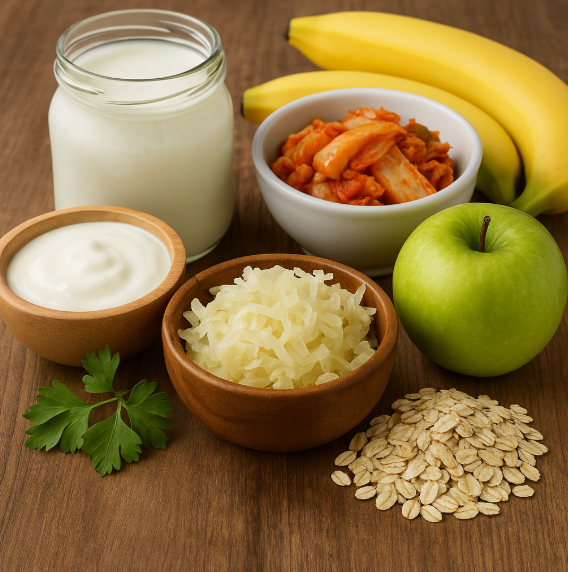
Some of the best sources of prebiotics include:- Garlic
- Onions
- Bananas
- Asparagus
- Oats
- Leeks
- Chicory root
Final Thoughts

Gut health plays a vital role in maintaining overall wellness. From digestion and immunity to mental health and energy levels, the gut influences many essential functions in the body.
By following a gut health diet for beginners, learning how to improve gut health through simple lifestyle habits, and supporting your digestive system with gut health through probiotics and gut health through prebiotics, you can create a strong foundation for long-term health.
For beginners, the most important step is consistency. Small changes in diet and daily habits can gradually improve your gut microbiome and lead to better digestion, stronger immunity, and improved overall well-being.
At Designznews, we aim to provide readers with helpful health and lifestyle insights that make complex topics easier to understand. By sharing practical wellness guides and expert-backed information, Designznews helps readers take small but meaningful steps toward a healthier and more balanced lifestyle.
Frequently Asked Questions
How long does it take to improve gut health?
Can poor gut health affect your mood and mental health?
Are antibiotics harmful to gut bacteria?
Can gut health affect skin conditions?
Does sugar negatively impact gut health?
Is intermittent fasting helpful for gut health?
Some studies suggest that intermittent fasting may support digestive health by allowing the gut time to rest and repair. However, fasting should be approached carefully and balanced with proper nutrition.