
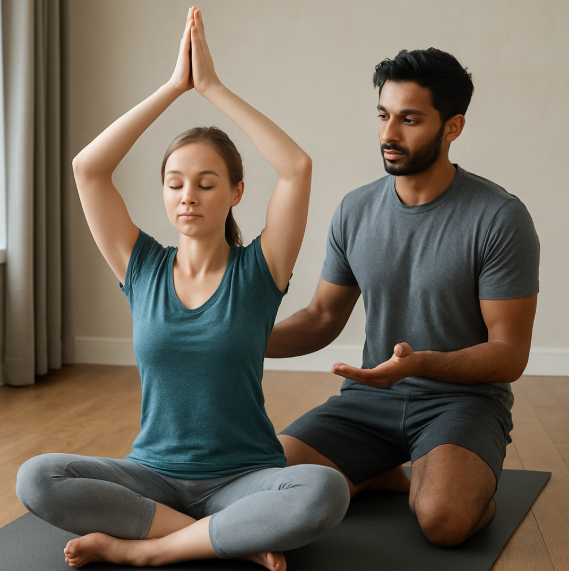
One of the most well-liked wellness techniques in the world today is yoga. Yoga has numerous physical and psychological advantages, from increasing flexibility to lowering stress. It can be difficult to get started if you are new to yoga. Many novices are unsure of which poses to attempt, how frequently to practice, and what advantages they can anticipate.
The good news is that perfection is not the goal of yoga. It’s about moving at your own speed and striking a balance between your body and mind. Everything you need to know to confidently start your yoga journey is explained in this beginner-friendly handbook.
What is Yoga?
Yoga is a holistic practice that combines physical movement, breathing techniques, and mindfulness. It originated thousands of years ago as a method to create harmony between the body, mind, and spirit.
In modern wellness routines, yoga is widely practiced for improving posture, strengthening muscles, and calming the mind. Unlike intense workout routines, yoga focuses on gentle movements and controlled breathing that help the body relax while building strength.
For beginners, yoga can be a great way to slowly introduce physical activity into daily life while also improving mental clarity.
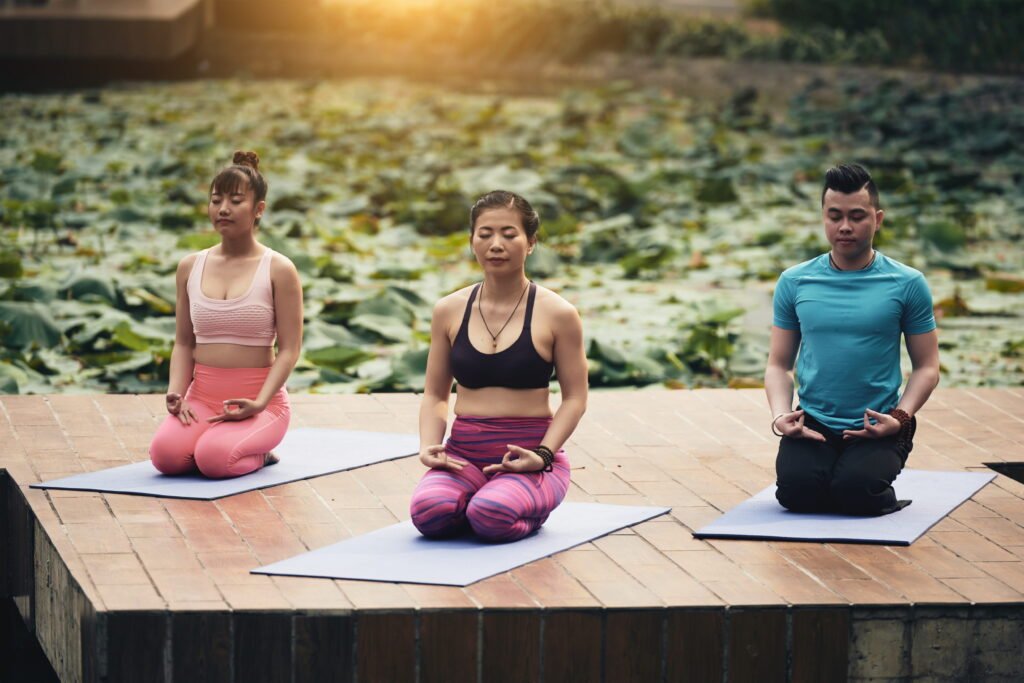
Benefits of Yoga for Beginners
Starting yoga can bring noticeable improvements in both physical health and mental well-being. Even a short daily practice can make a difference.
1. Improves Flexibility
Many beginners notice increased flexibility within a few weeks of practicing yoga. Stretching movements help loosen tight muscles and improve the body’s range of motion.
2. Reduces Stress and Anxiety
Yoga encourages deep breathing and mindfulness. These techniques help calm the nervous system and reduce everyday stress.
3. Builds Strength
Although yoga movements may look gentle, they activate many muscle groups. Regular practice strengthens the core, arms, legs, and back.
4. Improves Posture
Long hours of sitting often cause poor posture. Yoga stretches the spine and strengthens supporting muscles, helping improve alignment.
5. Boosts Energy Levels
Many people feel more energetic after practicing yoga. Improved circulation and oxygen flow help the body feel refreshed and active.
Basic Yoga Poses for Beginners
Mountain Pose (Tadasana)
This is a basic standing pose that improves posture and balance. It helps beginners become aware of body alignment.Downward Facing Dog
This pose stretches the back, shoulders, and legs while strengthening the arms.Child’s Pose
A relaxing pose that gently stretches the back and hips while allowing the body to rest.Cat-Cow Stretch
This movement improves spinal flexibility and helps relieve tension in the back and neck.Cobra Pose
A beginner-friendly backbend that strengthens the spine and opens the chest. Practicing these poses regularly can help beginners build a strong foundation before moving to more advanced yoga styles.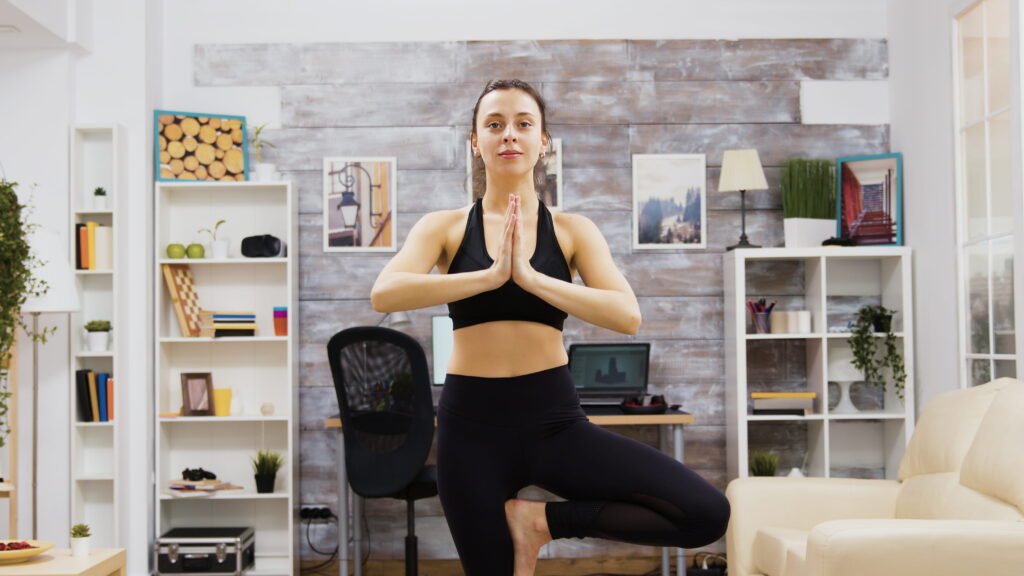
Tips to Start Yoga as a Beginner
Beginning yoga does not require expensive equipment or complicated routines. A few simple tips can make your practice more comfortable and effective.
Start with Short Sessions
Begin with 10 to 15 minutes of yoga each day. As your body becomes more comfortable, you can gradually increase the duration.
Focus on Breathing
Breathing is an essential part of yoga. Slow and controlled breathing helps relax the body and improve concentration.
Use a Comfortable Yoga Mat
A good yoga mat provides support and prevents slipping during poses.
Listen to Your Body
Do not push yourself too hard. Yoga is about gradual improvement rather than forcing difficult movements.
Practice Consistently
Consistency matters more than intensity. Even short daily sessions can bring long-term benefits.
Common Mistakes Beginners Should Avoid
One common mistake is trying advanced poses too quickly. Beginners should focus on mastering the basics first. Another mistake is holding the breath during movements. Proper breathing keeps the body relaxed and balanced.
Comparing your progress with others can also create unnecessary pressure. Yoga is a personal journey, and everyone improves at their own pace.
How Often Should Beginners Practice Yoga?
Some people prefer morning yoga to boost energy for the day, while others practice in the evening to relax after work. The best time is whenever you can maintain a consistent routine.
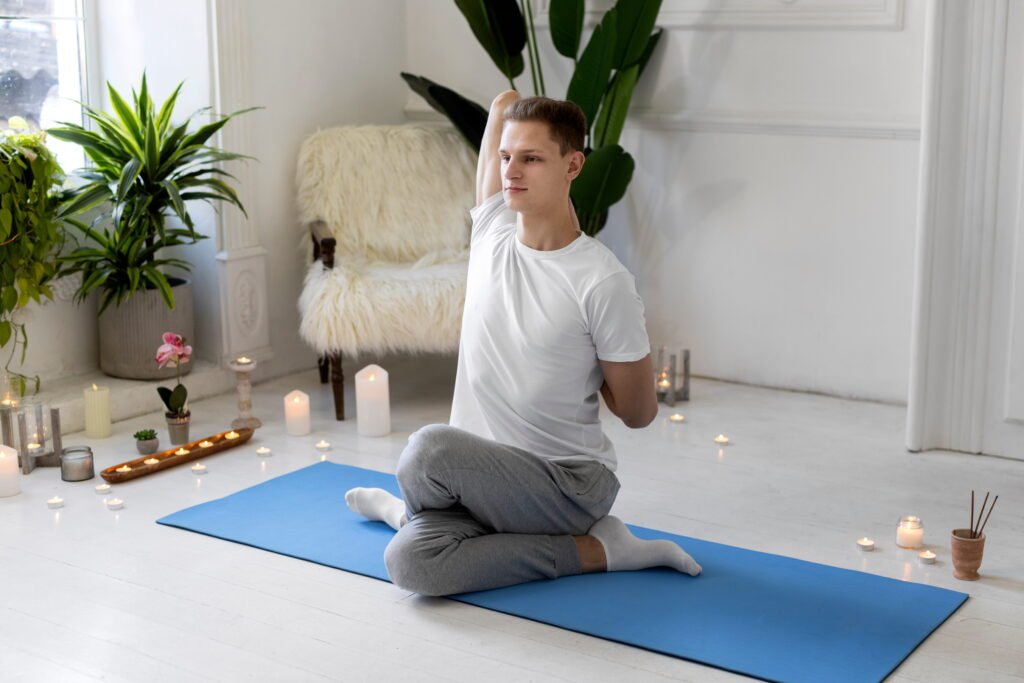
Creating a Comfortable Yoga Space
Soft lighting, fresh air, and minimal distractions can make your practice more relaxing. Some people also enjoy playing calm background music or practicing near natural light.
Final Thoughts
Yoga is one of the simplest and most effective ways to improve overall wellness. For beginners, it provides a gentle introduction to physical activity while also supporting mental relaxation.
By starting with basic poses, focusing on breathing, and practicing regularly, anyone can develop a healthy yoga routine. Remember that progress takes time, and the goal is not perfection but consistency.
With patience and practice, yoga can become a powerful tool for building strength, flexibility, and inner balance in everyday life.